Journal8 min read
Renovating a holiday home in Greece as a foreign owner
How to renovate a holiday home in Greece as a foreigner: surveys, permits, local contractors, remote management, climate-proof materials and timing.
By Coral Mesika — Interior designer, Coco Atelier
Foreigners can renovate a house or apartment in Greece much as Greek owners do: you need a Greek tax number, a licensed Greek engineer to check the property and file any permits, and a contractor you can trust while you are away. The projects that go well settle three things before work starts: what the building legally is, what you want it to be (a family retreat, a rental, or both), and who is your eyes on site. This guide to holiday home renovation in Greece is written for Israeli, American and European owners, on the islands, in Athens and in Thessaloniki.
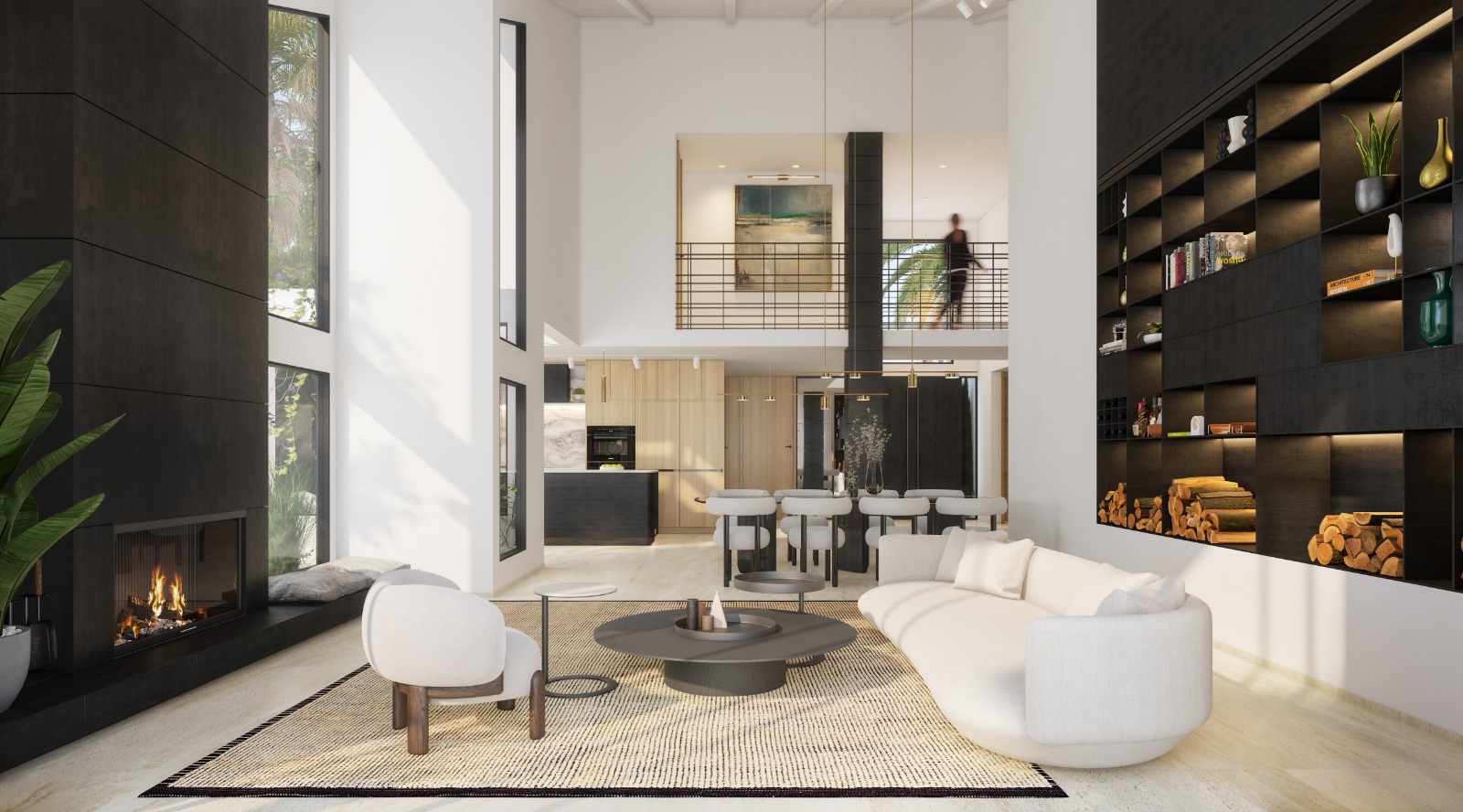
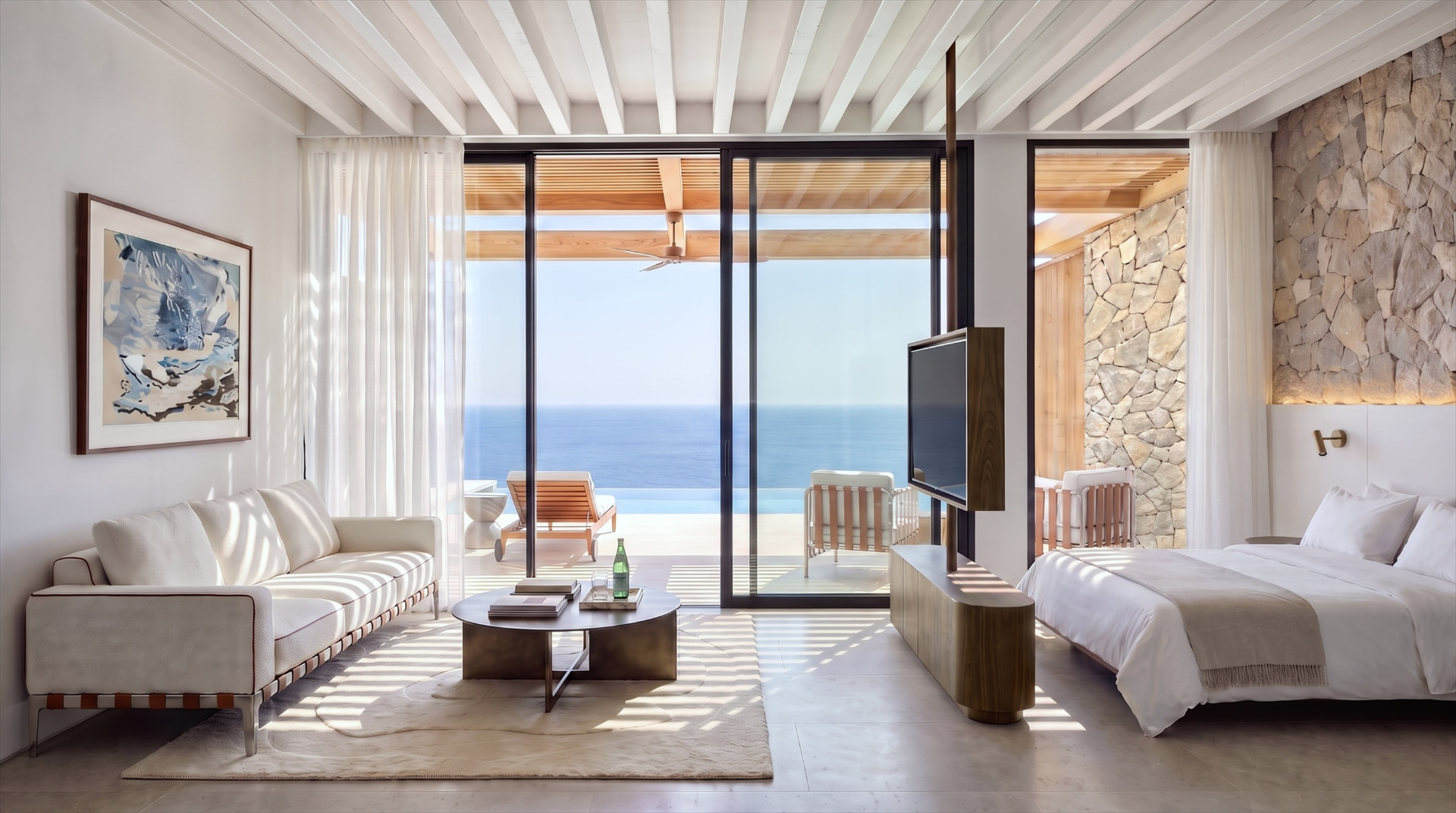
Coco Atelier has designed in Greece at both ends of the scale: CR SUITES, eight suites with private pools on the coast of Crete, and STUDENT APTS 01–03, studio and one-bedroom apartments near the university district of Thessaloniki. What follows is general guidance, not legal or tax advice; your Greek lawyer and engineer have the final word on your property.
Before you buy a house to renovate in Greece: legality and surveys
The cheapest moment to discover a problem is before you sign. In Greece that means two separate checks.
Legal status. Many Greek properties carry additions built without a permit: an enclosed balcony, an extra room on the roof, a converted storage space. A Greek engineer can check the building against its permit and plans, and unauthorised works may need to be declared and legalised before a sale can go ahead. Ask your lawyer to confirm the title, any easements, and whether the property sits in a traditional settlement, a protected landscape or an archaeological zone, since these can add approvals and design rules. Confirm what applies to your property with a local lawyer and engineer before you commit.
Physical condition. Old island houses are usually load-bearing stone with timber floors and roofs. Look for rising damp at the base of walls, rot where beams sit in the masonry, cracked or patched cement renders hiding wet stone, and roof leaks around chimneys. In 1970s and 1980s concrete apartments, which make up much of Athens and Thessaloniki, check for spalling concrete on balconies, old wiring and galvanised plumbing, and single glazing.
A designer can join the viewing to assess what the layout can become, which is the part a survey does not tell you: whether a wall can come out, where a second bathroom fits, how the light moves through the day.
Greek permits: what kind of works need what
Broadly, the more a job touches the structure, the façade or the use of a building, the more approval it needs. The exact categories and procedures are for a local engineer to confirm, but the general pattern looks like this:
- Interior works that do not touch structure or the façade (new kitchen, bathrooms, flooring, plaster, joinery) usually sit at the lightest end and may need little or no formal approval.
- Smaller external or partial works (for example some façade repairs, or replacing roofs or windows) may need a simpler approval filed by a licensed engineer.
- Structural changes, extensions, new openings in load-bearing walls or a change of use are likely to need a full building permit, which takes longer and requires full engineering drawings.
Rules change and differ between areas, so confirm with a local engineer which route your works fall under before you commit to a design or a start date.
On islands and in traditional settlements, expect rules on façade colours, window proportions, roof form and materials, sometimes with review by a local committee. Inside, you usually have far more freedom. Build these timelines into your plan: approvals that look simple on paper can take weeks to months.
Finding local contractors you can trust
Greek construction runs on local relationships. A contractor in Chania may never work in Heraklion, and an Athens crew will rarely travel to a small island. Practical steps:
- Start with the engineer. A good local engineer knows which builders finish on time and which leave in August.
- Ask for a priced bill of quantities, not a single lump-sum figure, so you can compare quotes line by line.
- See finished work in person, ideally a house a year or two old, to judge how it has aged.
- Agree a payment schedule tied to stages: demolition, rough plumbing and electrics, plaster, finishes, handover.
- Put the contract and drawings in both Greek and English, with materials named precisely (stone type and finish, plaster system, window profile).
Managing a renovation in Greece from abroad
Most foreign owners will not be on site more than a few times. The project needs one person in Greece with authority to make small decisions and a clear route for the big ones.
A workable structure: the engineer handles permits and structural supervision; the contractor builds; the designer owns the drawings, materials and furniture, and answers site questions. Agree a weekly rhythm of photo and video reports, a short call, and a shared list of open decisions. Visit at the moments that matter: before demolition, when walls are set out, when plaster and stone go on, and before handover.
Clear drawings save more time than anything else. Every tile joint, light position and socket height decided in advance is one less WhatsApp message from site at 7am. On projects abroad, including in Greece, Coco Atelier works remotely with local contractors and visits the site at key stages, and works with clients in English and Hebrew. For more on working at a distance, see hiring an interior designer from abroad.
Climate and materials: building for sun, salt and wind
Greek houses have handled heat for centuries. A renovation should keep that knowledge rather than fight it.
Walls and surfaces
- Lime plaster on stone walls. It lets old masonry breathe and dry out. Cement render traps moisture and is behind much of the damp in renovated island houses.
- Exposed stone where it earns it. At CR SUITES, a dry-stacked limestone wall forms the backdrop to each bed, washed with concealed light from below.
- Stone or terrazzo floors stay cool underfoot and survive sand and wet feet. Polished concrete suits apartments, as the Thessaloniki flats show.

Shade and air
- Shade before air conditioning. Deep eaves, pergolas, external shutters and slatted timber cut heat before it reaches the glass.
- Cross-ventilation. Plan openings on opposite sides so the evening breeze can pass through. Ceiling fans cost little to run.
- Insulate the roof, where most summer heat enters a single-storey house.
Salt and sun
Near the sea, choose solid brass, bronze or marine-grade stainless hardware, oiled hardwoods outdoors, and outdoor fabrics rated for UV. Expect to re-oil timber and refresh lime wash every few years.
Designing for rental, for yourself, or for both
Decide early, because it changes almost every choice.
For your own use, design around how your family actually lives: a big table, storage for the things you leave behind each autumn, a room that closes when you are away.
For rental, the guest becomes the brief. Durable, easy-clean surfaces, a lock-off owner's cupboard, robust bedding storage, simple lighting controls, and one strong photograph per room. Our guide to boutique hotel interior design covers this in more depth.
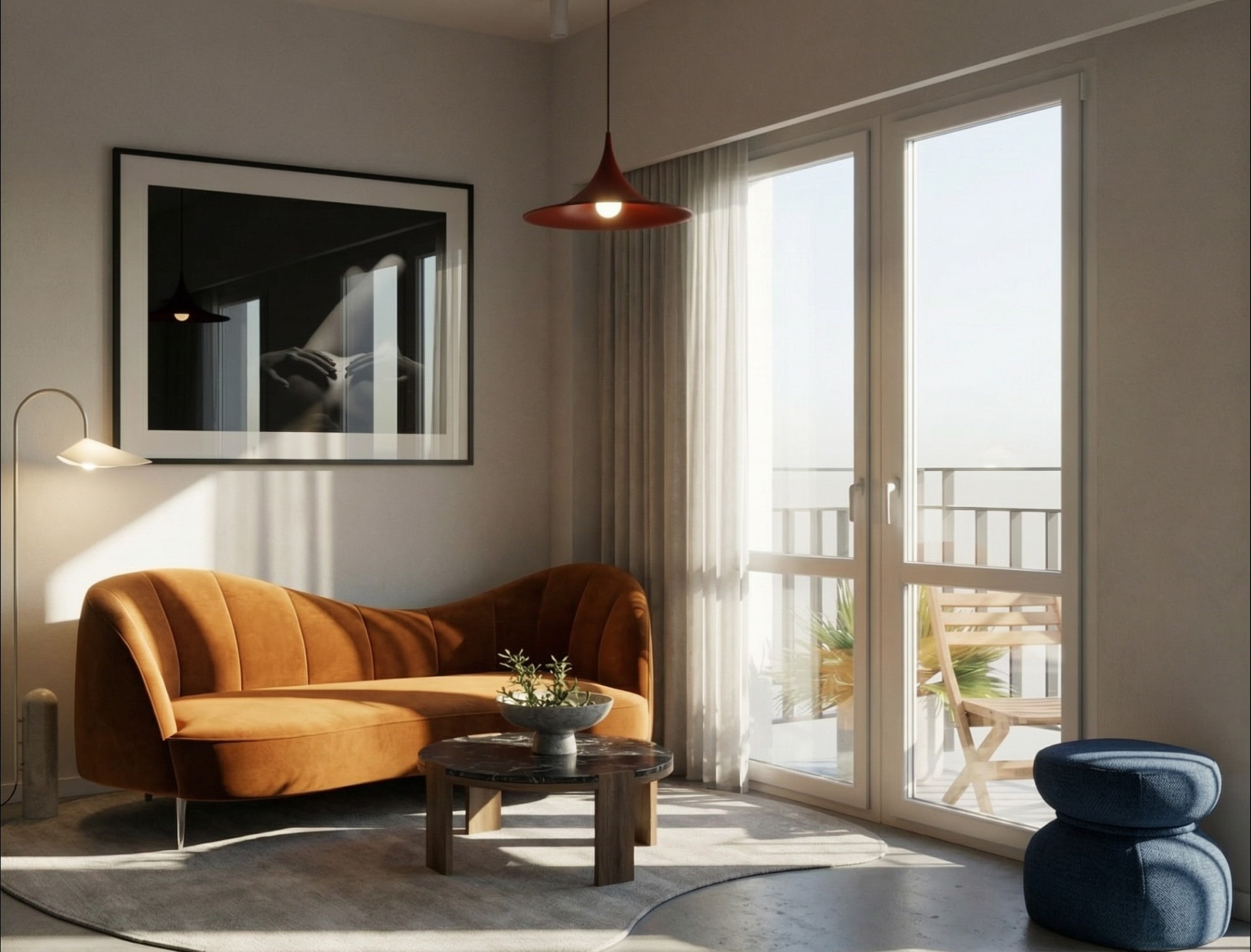
The STUDENT APTS in Thessaloniki show what compact rental design asks for. The brief was to make every square metre work: cosy sleeping areas, generous kitchens, spacious bathrooms and integrated laundry. In the photographs, a timber-lined bed alcove, full-height cabinetry and a built-in desk turn a single room into somewhere to sleep, study and host friends.

Check short-term rental rules before you design for them. Short-term lets in Greece generally have to be registered, and the rules have been tightened in some areas and may restrict some types of ownership. Confirm the current position for your property with a local lawyer before you commit.
Golden Visa context
Many non-EU buyers come to Greece through the Golden Visa programme, which grants residence in exchange for property investment. The investment thresholds and permitted uses have changed several times and can differ by location, so confirm the current rules with a local lawyer before you buy. From a design point of view, the questions are the same as for any second home: whether you will live there, let it long-term, or leave it closed for much of the year.
Timing around the seasons
Seasons shape a Greek renovation more than most owners expect.
- Autumn and winter are the working season on the islands. Crews are more available, and some islands and resort areas may limit building work during the summer tourist months, so check locally.
- Spring fills up fast with owners trying to open by June. Book trades early.
- August is close to a national holiday. Plan nothing critical.
- Island logistics add time: materials and furniture arrive by ferry, and weather can stop crossings.
A realistic plan buys and designs in spring and summer, gets approvals in late summer, builds through autumn and winter, and furnishes in early spring for the season.
Frequently asked questions
Can a foreigner renovate a house in Greece?
Yes. Foreign owners generally renovate under the same rules as Greek owners. You will need a Greek tax number, usually a Greek bank account, and a licensed Greek engineer for anything that requires a permit. Buying in some border areas may need extra approval for non-EU buyers, so check with a local lawyer before you commit.
Do I need a permit to renovate an apartment in Greece?
It depends on the scope. Purely interior work that does not affect structure or the façade is often in the lightest category, while changes to walls, windows, façades or use need an approval filed by an engineer. Ask a Greek engineer to confirm before work starts.
What is the best time of year to renovate a holiday home in Greece?
Autumn through early spring, especially on the islands. Contractors are more available, and some tourist areas may limit building work in summer, so check locally. Aim to finish and furnish by late spring if you want to use or let the house that season.
Can I manage a renovation in Greece from Israel, the US or elsewhere in Europe?
Yes, with the right team: a local engineer, a reliable contractor and a designer who provides complete drawings and answers site questions. Weekly photo reports and site visits at key stages keep the project on track.
Which materials work best in Greek holiday homes?
Lime plaster, local stone, stone or terrazzo floors, hardwood shutters and marine-grade metal fittings. They suit the heat and salt air and age well. Avoid cement render on old stone walls, which traps damp.
If you have bought, or are about to buy, a house or apartment in Greece, send Coral a message on WhatsApp or call +972 54 264 5228 through the contact page. Share the location, a few photos and whether it is for you, for rental or both, and we can talk about what the space could become.